
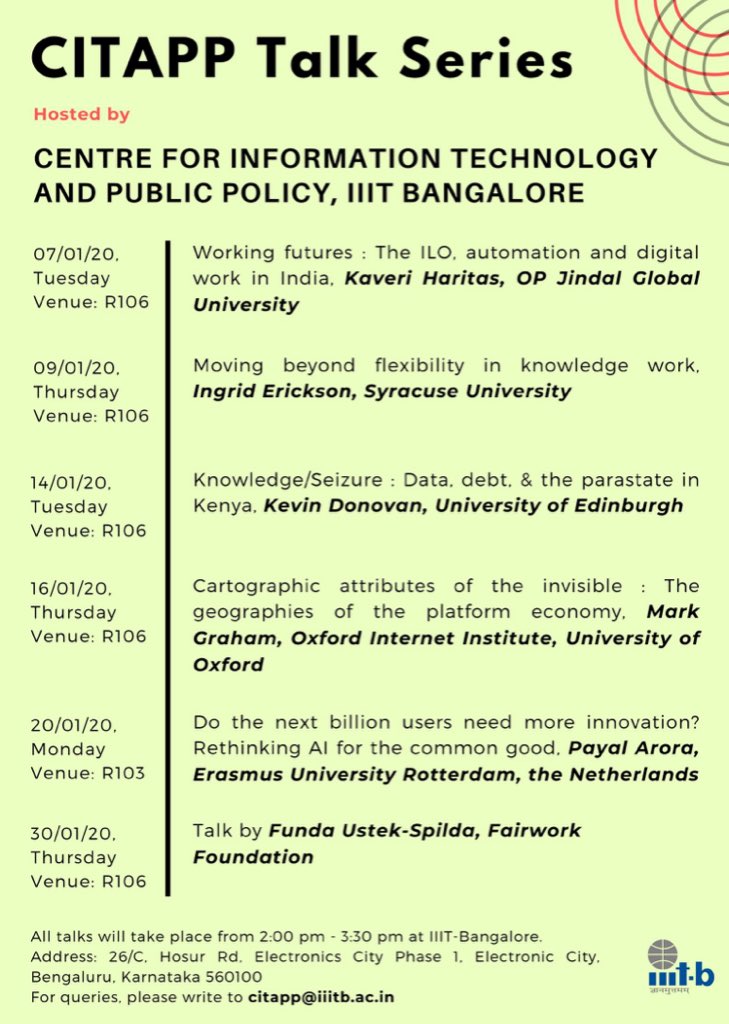
What a way to begin 2020 – full of spice and color and drama! Basically it felt like a year of celebration was starting. I embarked on my book tour in Pune for the India Science Fest which drew a crowd of about 15,000 people! And what a demographic – from kids with their parents to engineering and philosophy students to elderly folks curious about these topics, they managed to truly create a spirit of democratizing science for the public. This was the brainchild and product of Varun Aggarwal of Aspiring Minds . I spoke about designing for the next billion and also was on a panel on the future of science with AI. I headed to Bangalore right after to speak at the IIIT-Bangalore Centre for Information Technology and Public Policy lecture series and gave a Keynote at the IIM-B for the Software Product Management Summit on re-centering the human in design. Was a fascinating conversation as we delved into how product management as a field is changing dramatically and in recent years is putting the user values at the center to create responsible design. After Bangalore, I went for a week to the legendary Jaipur Literature Festival, the largest such literature festival in the world. Was on multiple panels – Consumer Intelligence, the Art of Innovation and the Next Billion Users. Now this was just an unforgettable experience with the quality of speakers, the energy, the food and color and most importantly the passionate and sizable and young audience that was glued on every word and engaged with the ideas – what a gift for any author! Last but not least, went to Hyderabad to launch the IDRC grant with Usha Raman and meet the superb team to brainstorm on the steps ahead for our 3 year project on feminism, laborers and the future of work in the global south.
Author: payalarora04



The co—matter podcast out on sex, trust, and the next billion
At the Techfestival in Copenhagen, I got to chat with Severin Matusek of the Co-Matter Podcast on why Pornhub continues to be a powerful hook for people in the global south to adopt the internet and get hooked on it, when does culture actually matter in the scaling of tech and more.

Keynote for the Privacy and Identity Conference
I was invited to give a keynote for the members of the Privacy and Identity Lab, an interesting group of privacy scholars at the Kings Ballroom in the Hague.
What was particularly fascinating about this group was their cross disciplinary backgrounds as they delved into a spectrum of issues from accountability issues in smart city planning to healthcare data security and regulation to the legal challenges of applying the General Data Protection Laws and the spectrum of interpretations these laws seem to evoke, which brings to question the extent of the efficacy of these laws to reign in poor and unethical market behaviors in the tech arena.
I spoke about the implications of these laws universalizing and its globalizing potential and challenges. The fact is that as technology companies expand their reach worldwide, the notion of privacy continues to be viewed through a market-based and ethnocentric lens, disproportionately drawing from empirical evidence of perceptions and behaviors of Western-based, white, and middle-class demographics. We need to break away from the market-driven neoliberal ideology and the Development paradigm long dictating digital media studies in the global South if we are to foster a global standard for privacy regulation worldwide.
Overall an eye opening experience.
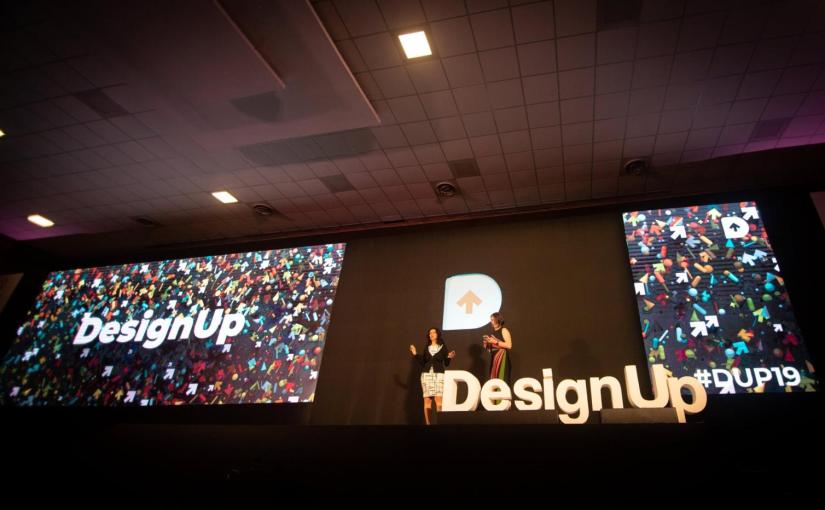
Keynote at the DesignUp conference on ‘Irrational Design’
DesignUp, a Design-in-Tech conference in Bangalore, brought together an amazing and forward thinking group of designers, UX researchers, data scientists, policy makers, business leaders and entrepreneurs together over the course of 4 days on Nov 12-16. This year, the theme was about plurality in design. DesignUp is the largest Design & Tech event in Asia (excluding China), labelled by YourStory as the Definitive Design-in-Tech conference and listed by Quartz.com among the World’s 20 most Exciting Design Events.
I gave the keynote on the ‘Next Billion Users and Irrational Design’ that offered a new template to understanding the user behaviors and preferences of the next billion.
After all, the failures of tech –the graveyard of apps – FB Zero, Secret and such, rests on the premise of negating the role of the cultures from below. Those at the margins of our imagination who have now become the norm – the next billion – are pushing ahead with novel demands on interfacing, design preferences, and aspirational consumption, demanding in turn that we rethink what we deem as rational, efficient, and thereby – good design.
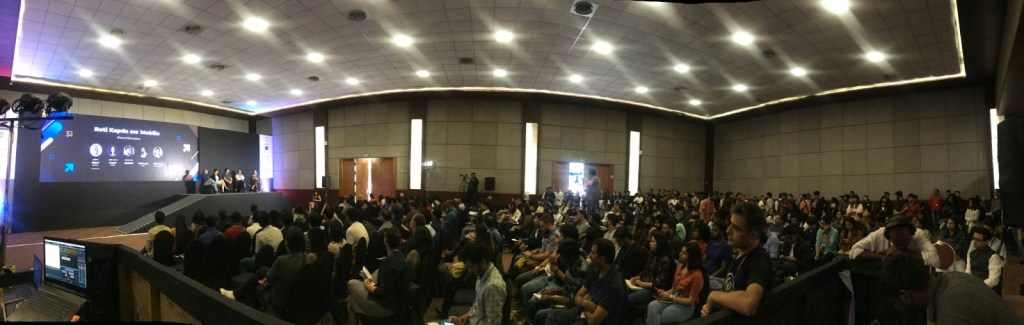
Additionally, the panel on ‘Roti, Kapda, aur Mobile’ generated an excellent discussion on data as currency, whether it is enough to design ethical policies and products from the corporate end, the moral panics of creating a new tech monster and more…
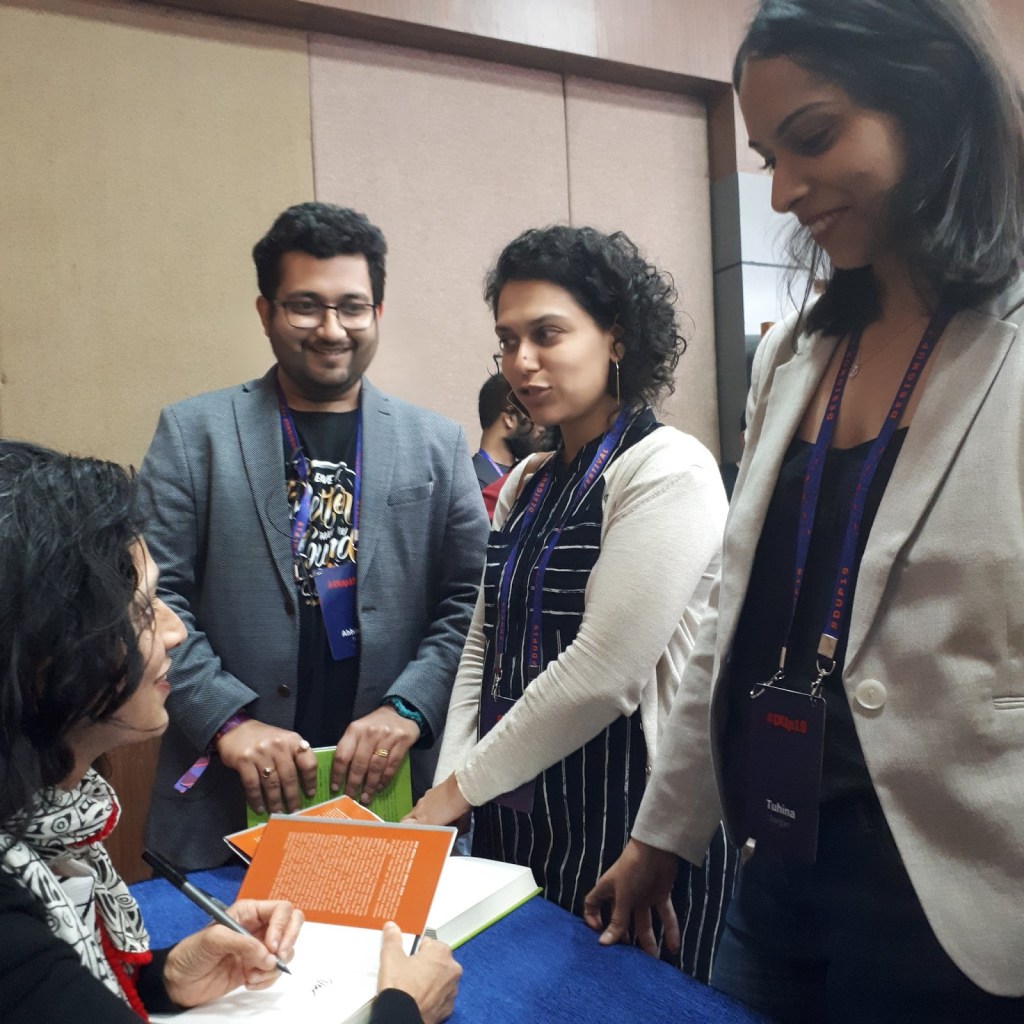
The most memorable part of this whole event was at my book signing where I got to talk one on one with each person who bought the book and find out about them. It is so rare for authors to get this kind of immediate feedback about their readers and being India, it was delivered with a tremendous amount of warmth and affection. Was thrilled to hear that my books were sold out at the event. Makes this writing process really worth it!


Re-imagining Spotify for the Next Billion Users
It was fantastic to give a talk at Spotify in Stockholm on my book ‘The Next Billion Users’
Am a fan of this company as they really personally transformed my ways of listening and experiencing music.
It was so gratifying to be able to speak with their team on how to re-conceptualize their platform for a new market to best service them – their listening tastes, behaviors, sharing patterns, curated genres, and more.
The fact is that their business model as it stands needs some significant rethinking as they move into these new terrains and markets. Am glad to be part of this journey.

Keynote and panel discussion at Deutsche Welle in Bonn
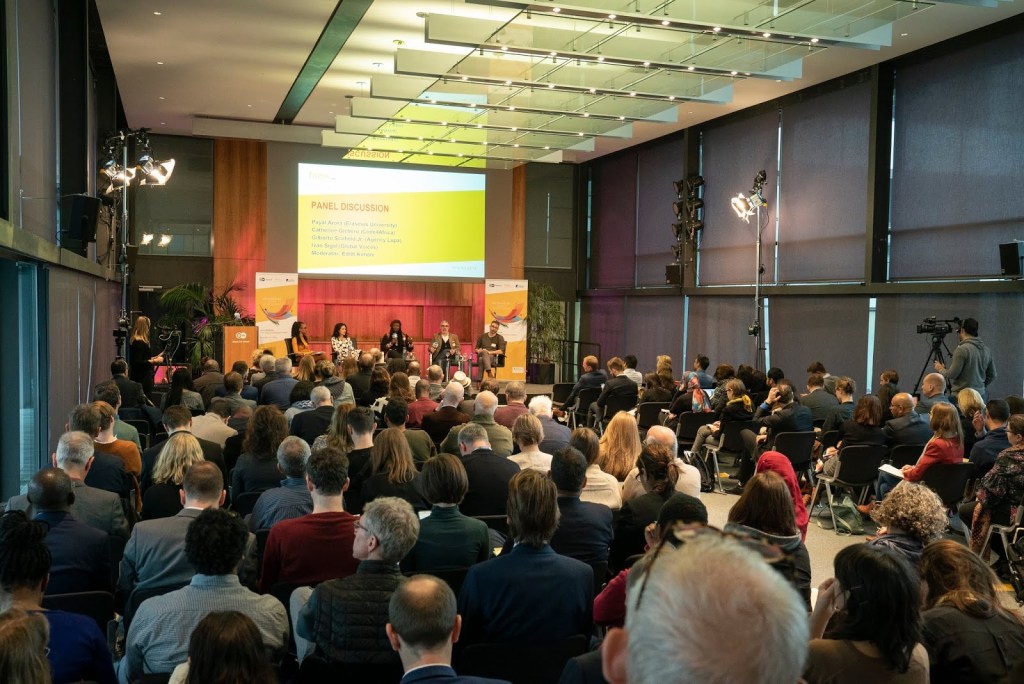
Brilliant experience in the last two days at Deutsche Welle (DW) at the FOME Symposium organized in Bonn on Rethinking media development – New actors, new technologies and new strategies. I gave my keynote on how the rise of the Next Billion users , low-income users in the global south coming online for the first time, is transforming the media sphere and how we need to center them in our imagination as we proceed to tackle the challenges on how to build a sustainable information ecosystem. Couple of take aways here for the field of journalism and media development when going global with these strategies:
1. Let us not discount SMS and WhatsApp as the prime and often the sole media distribution outlet. WhatsApp and Facebook is the internet to the NBU market. We need to keep that in mind while we write content for the NBU market and how they will experience it on these devices
2. The internet is the poor person’s leisure economy – thereby, for getting them interested in the media content, speak to issues that interest them and not just about the usual topics on poverty – the poor are more than their economic status.
3. Governments are often the main advertising revenue source for media outlets and Development agencies have specific agendas which are rooted in classic development paradigms of poverty and needs based alleviation strategies. Media outlets due to these constraints tend to write the same kind of narratives and stories which thereby create a tremendous gap between what people want to read and what is written. This explains the rise of non formal media actors and influencers online. We need more than ever a diversity of stories beyond the usual stereotypes and cliches of the NBU
4. Journalists should build their brands as it gives them more freedom to express themselves and be a little more independent from their organizations; this also is a win-win for media outlets as they can safely distance themselves from these opinions and yet allow for their expression under the growing censorship regime
5. Fake news per se does not kill democracy as that would imply that information is a key instrument for decision-making. Not quite so as its more affective and people are willing to let a few lies go for the pursuit of a bigger truth (that they have been neglected by the state, media, etc. and its time they fight back and that the means does justify the ends); moreover membership to a group in this age of lonliness matters more so and thereby we need to build empathy of why people are attending to certain kinds of misinformation and reacting in particular ways and what are the broader reasons that is pushing this kind of disruption


Keynote at Digital Fortress Europe in Brussels
I delivered a keynote on ‘Amplified activism from afar” in addressing border-making through social media and how diasporas can be powerful forces to contend with in the shaping of national agendas, policies and even grassroots social movements.
This was for the ECREA organized event called “Digital Fortress Europe: Exploring Boundaries between Media, Migration and Technology” held in Brussels end October.
The two-day conference served as a forum to “reflect on the relations between media, migration, and technology. These relations demand our fullest attention because they touch on the essence of what migration means in societies that are undergoing democratic challenges. Research shows that media and technologies play a vital role for people who migrate, but that the same media and technologies serve to spread xenophobia, increase societal polarization and enable elaborate surveillance possibilities. With its intensifying anti-migration populist discourses, humanitarian border crises and efforts to secure borders through technological solutions, the European context provides a pulsating scene to examine such deepening relations. Taking place in the heart of Europe’s political capital, this conference aims to critically reflect on what the much-debated notion of “Fortress Europe” means in the digital age and how it can guide our future thinking on media and migration. As such, scholars of media, communication, migration and technology will be stimulated to contribute to critical discussions on border politics and migration debates.”
Got great questions on how we can track online social movements and the ethics of inserting ourselves as researchers into these highly sensitive content based forums online. Other questions were about elaborating on who gets representing in these diasporas (as they are not monolithic groups) and how they balance diversity within a group fighting for self-actualization with being united for a singular cause.
Overall, wonderful forum that brought together academics, policy makers and journalists and artists in search of how to best inform and enable freedoms across board.

Rockefeller Foundation Workshop on Responsible AI Futures
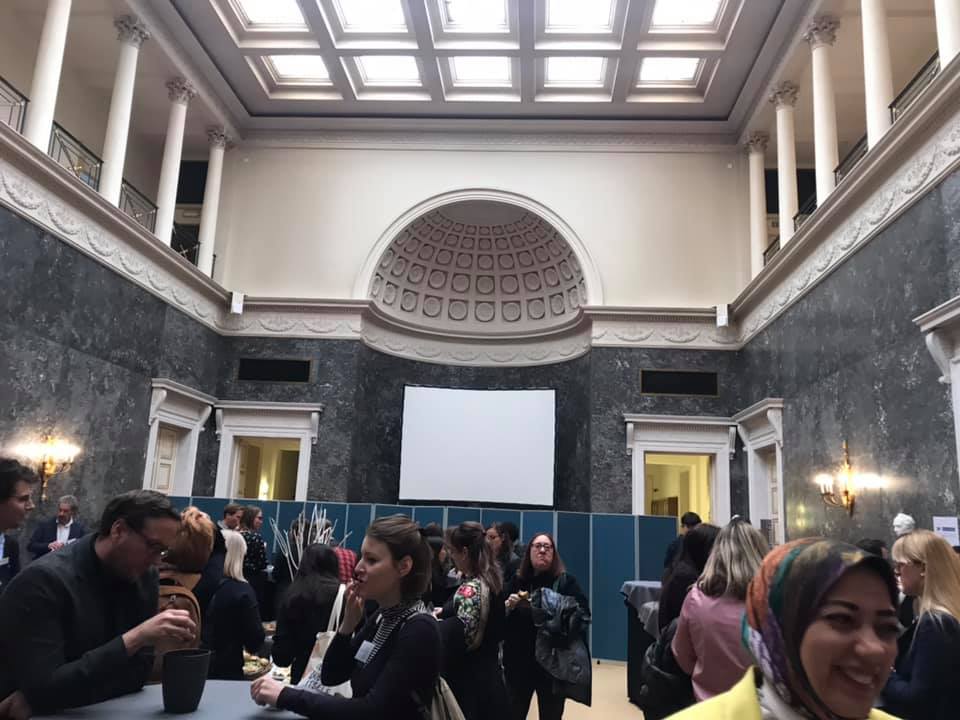
The Rockefeller Foundation has committed itself to shape the design and impact of Artificial Intelligence on Society with a series of workshops and vision documents. The first in its series – ‘Designing a Responsible AI Future’ just took place in Bellagio Italy on Oct 9-12 ,2019. I was invited to contribute to this effort alongside technologists, thought leaders, academics, and artists, although admittedly, while diverse in their disciplines and focus, were primarily from the Anglo-Saxon region.
So the conversation was dominated by United States concerns and issues with an emphasis on decentralization of tech, and focus on the harmful effects of fintech, facial recognition, and other innovations as a means of building a responsible AI. While undoubtedly accountability matters very much so, from a global perspective, the opportunities of AI, and the importance of convergence of diverse platforms into these hyper-ecosystems emerge from the vantage point of scarce resources and thereby to push for efficiency and everyday governance, close relations between the private and the public sector as part of a larger development paradigm and most importantly, to leverage on the motivations of the users and their high enthusiasm for all things tech which is quite the opposite of the typical mindset nowadays among users in the global north.
Either way, was very informative in mapping these perspectives and understanding these overarching biases in policy and practice in the Global North, particularly among Europeans and Americans.
Keynote and Fireside chat on AI4Good at NEXT event Hamburg
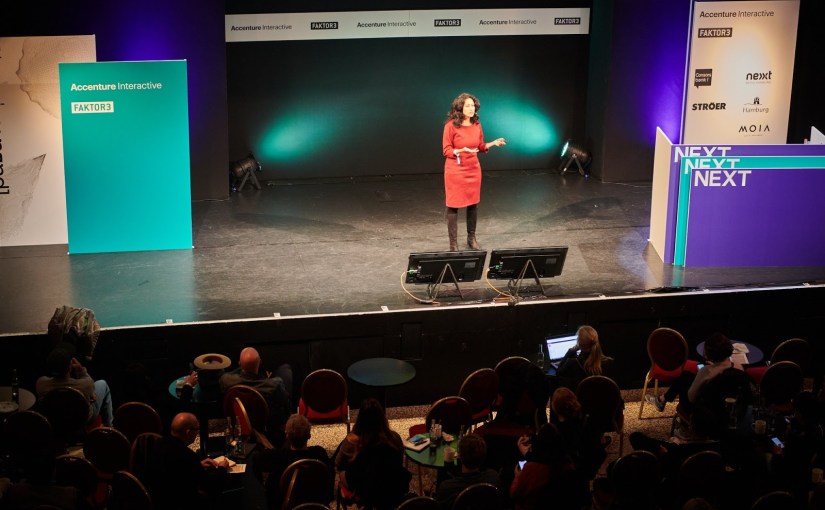
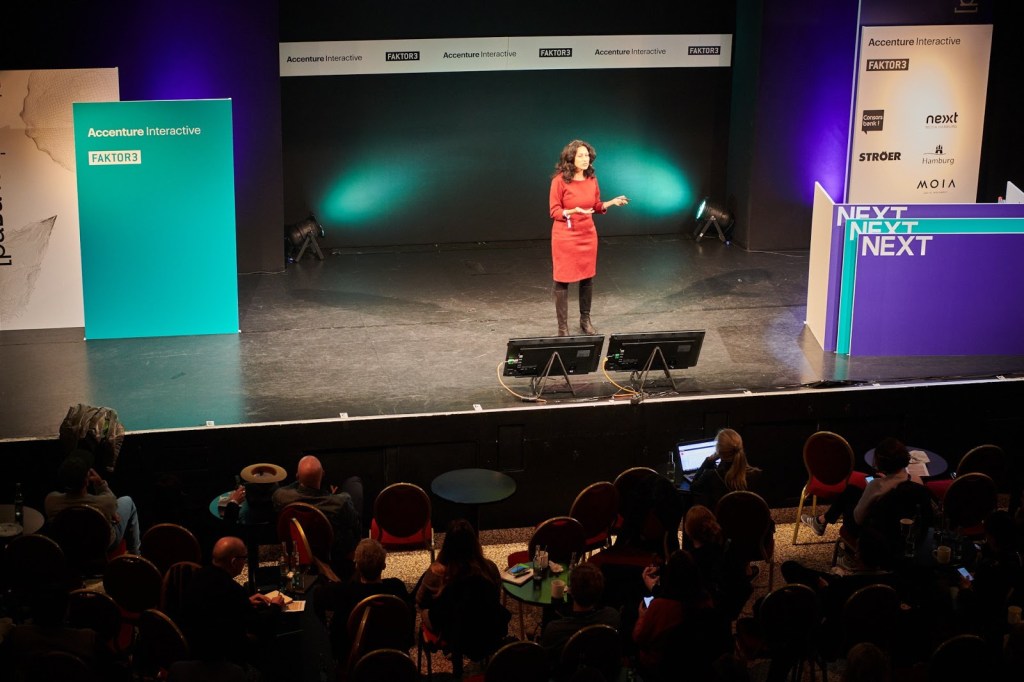
The NEXT 19 at Hamburg – what an event! Beautifully curated with the right mix of humor, creativity, seriousness and playfulness – the kind of thoughtful event required for the public to engage with important and timely subjects It was a brilliant move to connect this festival with the Reeperbahn Festival which basically mixed the crowd of tech people, creative industry folks -media, design, advertising…
I had a blast doing my keynote on my book The Next Billion Users. The audience really engaged and I am getting really into going back and forth with them during my talks these days. I always get the surprisely reactions of how come I am so optimistic in this time of the doom and gloom of social media killing democracy, our minds, our communities and more and of course, we have been here many times before. We fall in love and we fall out of love with tech – that which we love, we fear, we loathe and then it starts all over again. Like I said at the tail end of my talk – you cannot reform that which you do not love. We need to fall back in love with tech. Its like a marriage, not an affair. We are in for the long haul – for better and for worse.
Also was cool to gather around for a fireside chat on AI for Good with Lorena Jaume-Palasí, founder of The Ethical Tech Society, a non-profit organization researching processes of automation and digitization with regards to their social relevance and Astrid Maier, chief editor at Xing, who moderated this conversation.
To top it off, Hamburg is just such a cool city and I stayed in a water tower hotel which was a nice cherry on top. Cool crowd. Cool event.

 Payal Arora